The Exact Money Review I Run On Myself Every Month (Personal life + Business)
The monthly money check-in that runs my life and my business, and the exact structure I use to do both in one sitting.

For a long time I did money in my head.
Which sounds absurd typing it out now, but it's the truth. I ran a business. I paid myself. I paid taxes. I told myself I knew what was happening. And most of the time, I sort of did. I could tell you the top-line revenue, I could tell you roughly what my best month looked like, I could tell you the position of the business.
But the vibe of the business is not the same as the health of it.
I couldn't have told you which of my offers was actually profitable. I couldn't have told you my real hourly rate. I couldn't have told you what percentage of my revenue was mine to keep versus owed to future obligations.
I also couldn't have told you honestly what my personal life was costing me each month. I knew rent. I knew a few big bills. Everything else lived in the fog, the subscriptions I'd forgotten about, the variable spending that quietly grew, the difference between what I thought I was saving and what I actually was.
I was operating on the surface of the numbers on both sides, and hoping the depth would take care of itself.
At some point. I don't remember the exact moment, just the general shift. I got tired of hoping & juggling my money. And I sat down and built the monthly review I wish someone had handed me at $30K a year, before the fog got expensive.
I've been running it every month since. Same day, same setup, same sheet. It takes about an hour for me after setup. It is genuinely the single most valuable thing I do for my money, ‘personally and in the business’ and also, I'll be honest, the least glamorous. Nobody's going to make a viral video about the last Sunday of the month.
But this is the thing that separates the operators who compound from the ones who spend five years in the same spot wondering why the harder work isn't producing better results.
Here's what's in it:
The setup
Coffee, a cleared space. The ritual matters for the first three months because the numbers are uncomfortable to sit with when you're honest for the first time, and a warm environment stops you from closing the laptop halfway through and pretending everything is fine.
Statements pulled. Every account — personal checking, personal savings, business, tax holdback, buffer. Then the sheet.
The sheet has two halves. Personal on one. Business on the other. Both open at the same time, in the same session, because the tax owed on the business affects your personal cash flow, the founder paycheck IS your personal income, and the personal spending that leaks into the business drains your operating capital in ways you'll never see if you only review one side at a time.
The move: if you don't have separate accounts yet, open them this week. Personal checking. Personal savings. Business checking. Tax holdback. Buffer. Free at any bank. The review doesn't work without them.
Personal side:
I start personal. Because personal is the constraint. If my personal spending is out of control, nothing on the work / business side matters. I'll just keep pulling money out of the business to cover the personal life, and the business will never accumulate the buffer or reinvestment capital it needs to actually grow.
Five things I check every month on the personal side.
Income that landed: what actually hit my personal account this month, from all sources. The founder paycheck from the business, any freelance income, any interest, any dividends. The number I actually received.
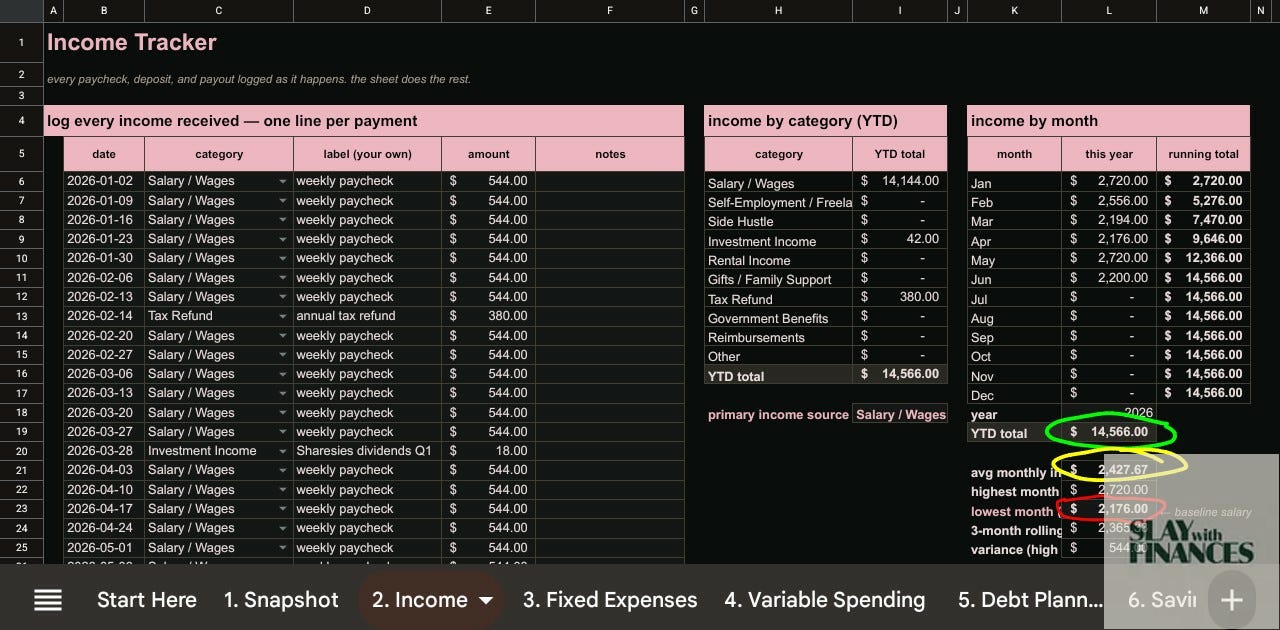
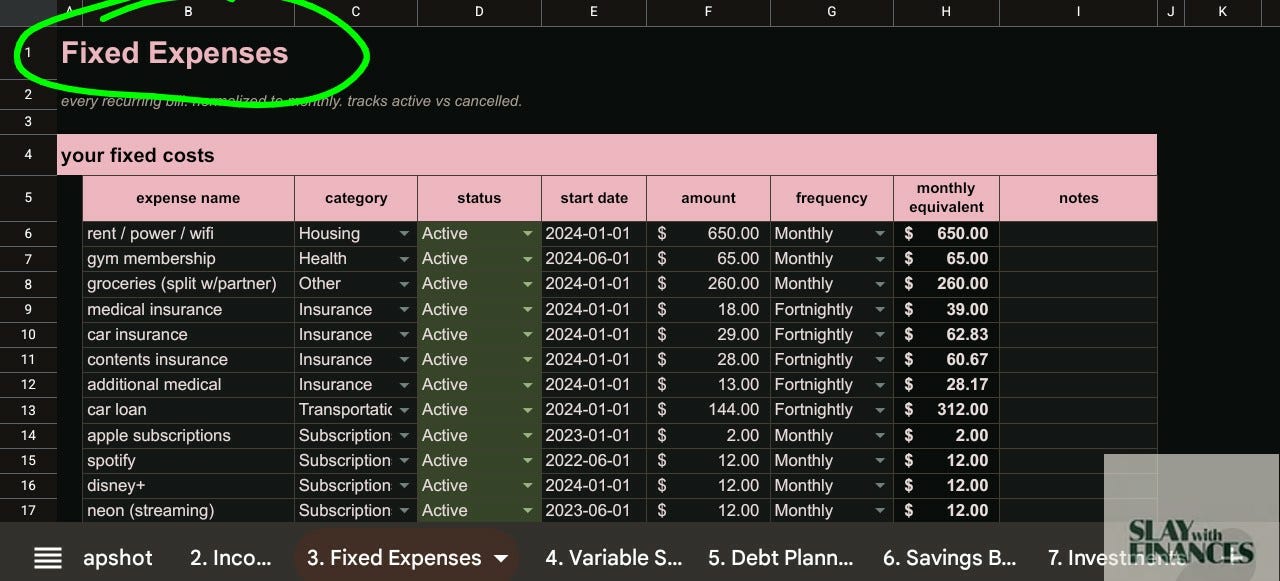
Fixed expenses: Rent, utilities, subscriptions, insurance, loan payments, anything that shows up every month whether I use it or not. I compare this month to last month to catch subscription creep before it accumulates..
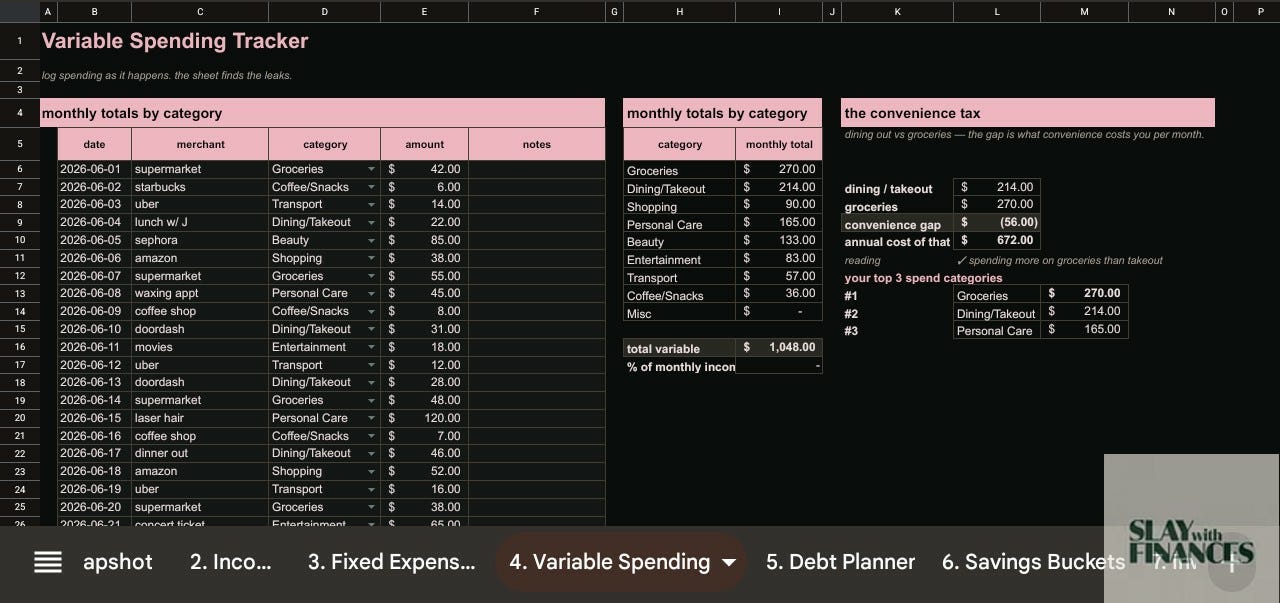
Variable expenses: Groceries, dining, transportation, entertainment, personal care, everything that fluctuates. Broken into categories so I can see which category is quietly growing. Lifestyle creep hides here. It never shows up as one big line, it shows up as three small ones each month for six months in a row until suddenly your monthly spending is 20% higher than it was last year and you can't figure out why.
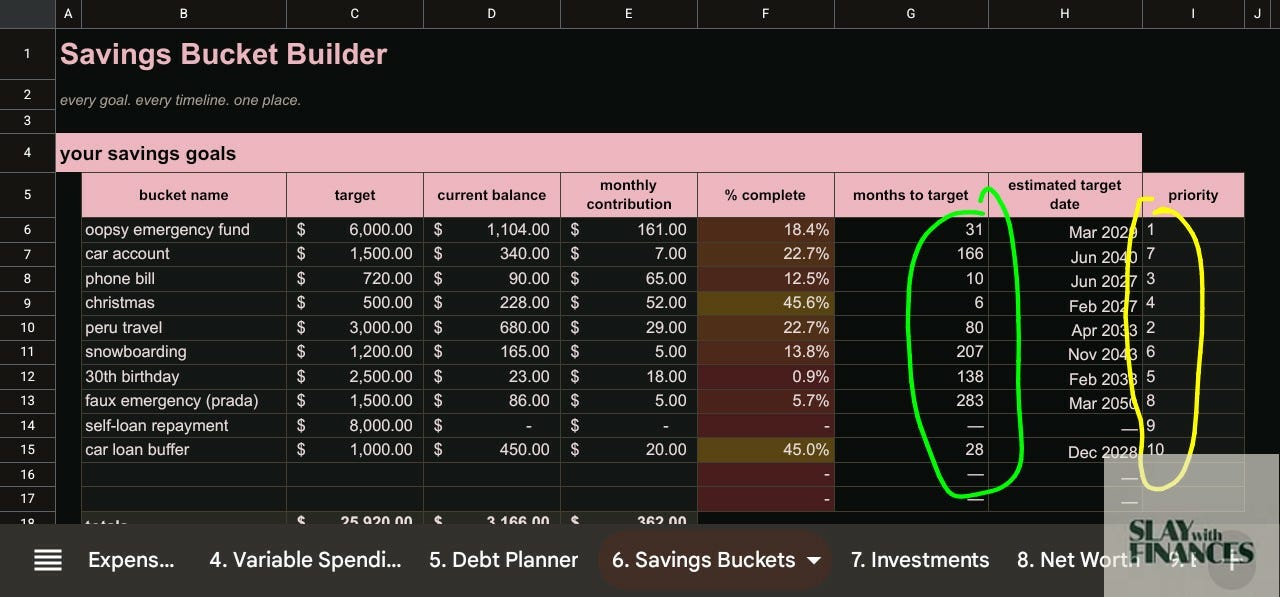
Savings and investment contributions: what I moved into savings, retirement accounts, or investments this month. I want this to be a specific dollar amount every month, not "whatever's left over." Because whatever's left over is always zero
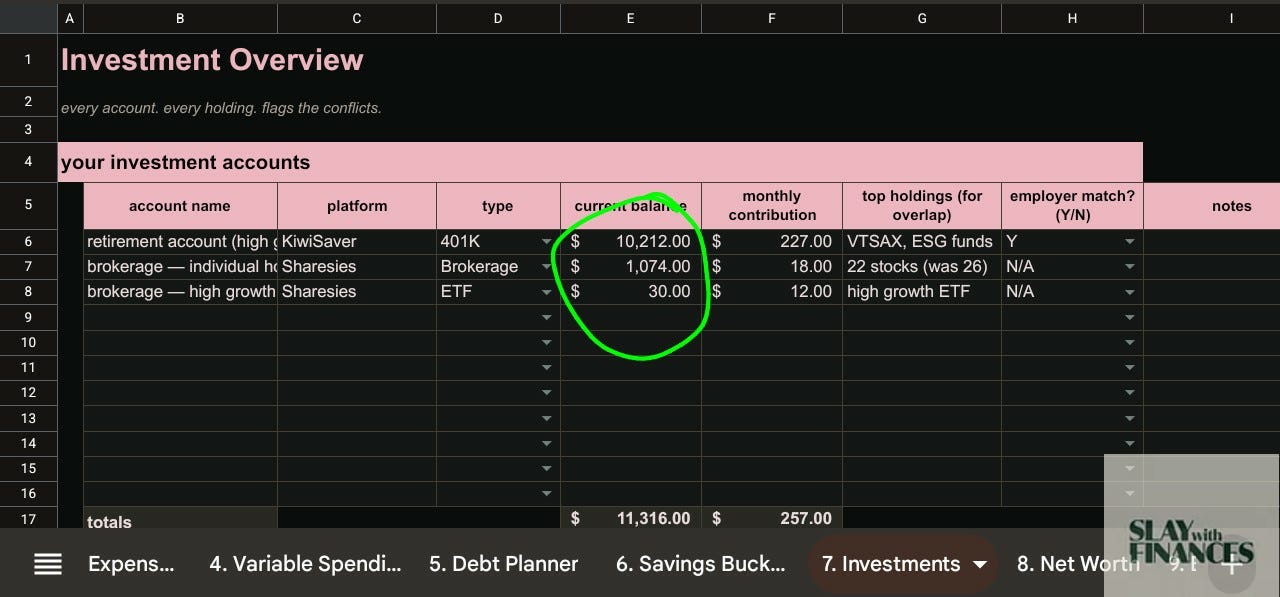
Net position: did I end the month with more or less than I started with. Not just in checking, but across every account. This is the number that tells me the truth about whether the month worked.
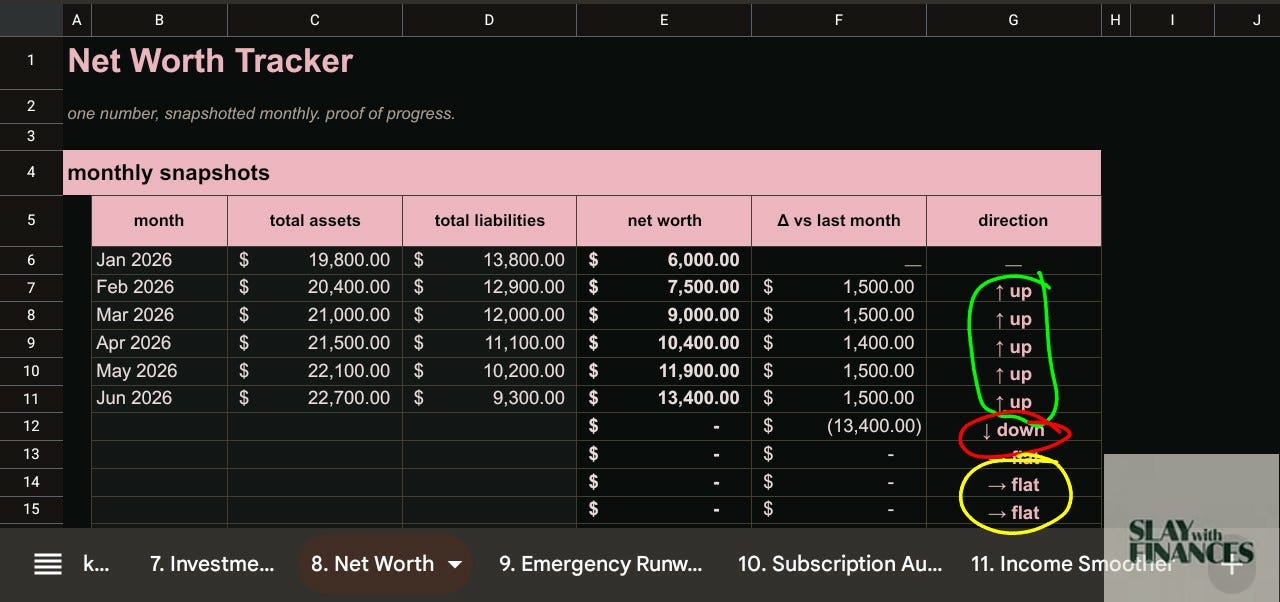
The whole personal review takes about 20 minutes once the sheet is set up. The setup is the hard part, after that, you're just plugging in the current month's numbers and looking at what changed.
Business side
Business is where most soloprenuers skip the depth. They know their gross revenue, and that's it. Which is the same as knowing your top-line and nothing about your health.
Seven things I check every month on the business side.
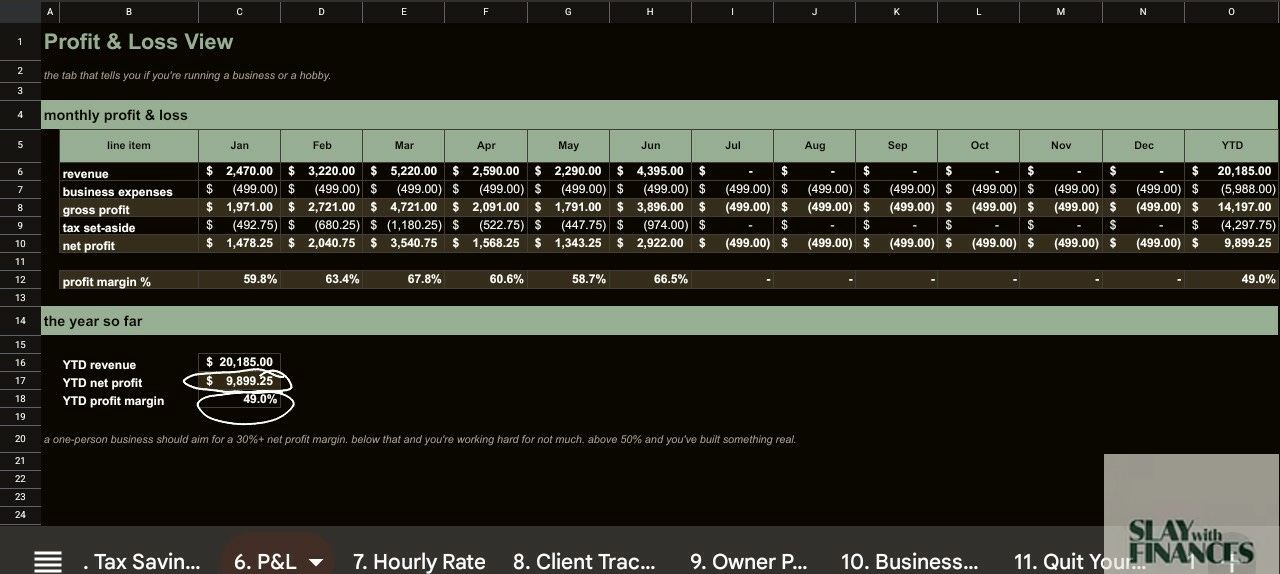
Gross revenue: total money that came into the business this month, from all products, services, or offers.
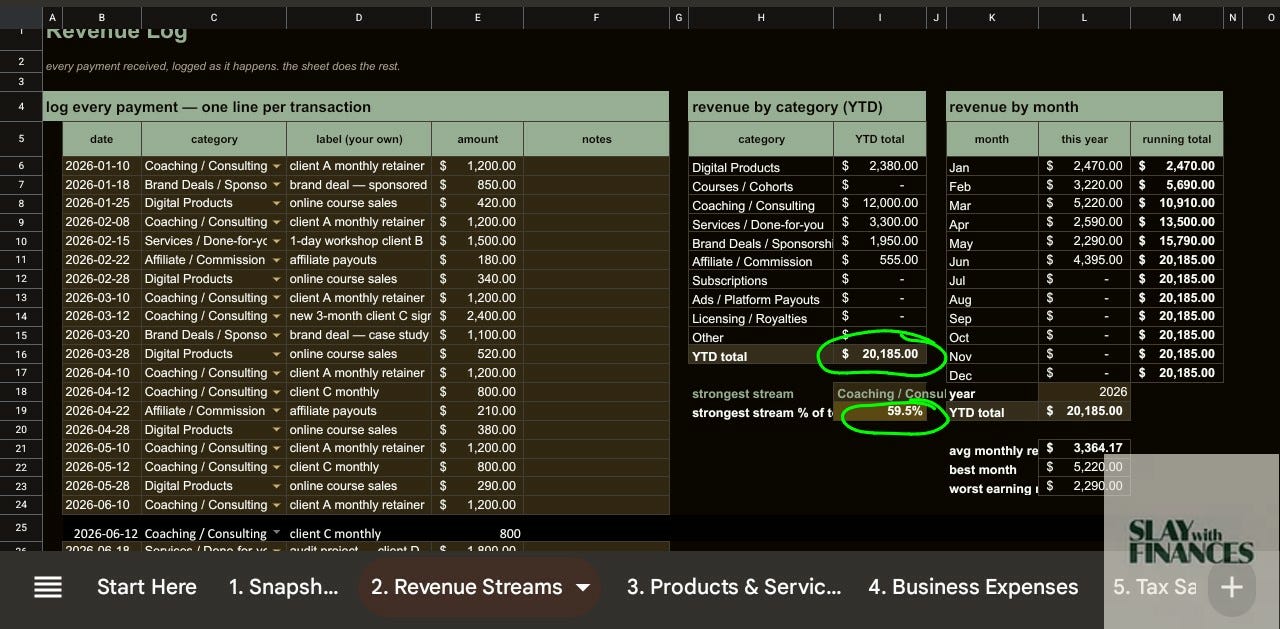
Revenue by offer: broken down by product. Which offer produced what percentage of this month's revenue. Because gross revenue can look great while one offer is quietly doing all the work and the rest are dead weight.
Cost of goods / fulfillment cost: what it actually cost to deliver each sale. Platform fees, transaction fees, contractor payments, software specifically tied to that offer. This is the number that turns "successful launch" into "we made $200 after fees."
Real profit per offer: revenue minus fulfillment cost, per offer. This is the number that tells you which offers are worth keeping and which are quietly bleeding you. Almost nobody runs this number monthly. Which is why almost every solopreneur has at least one offer she's still selling that she should have killed six months ago.
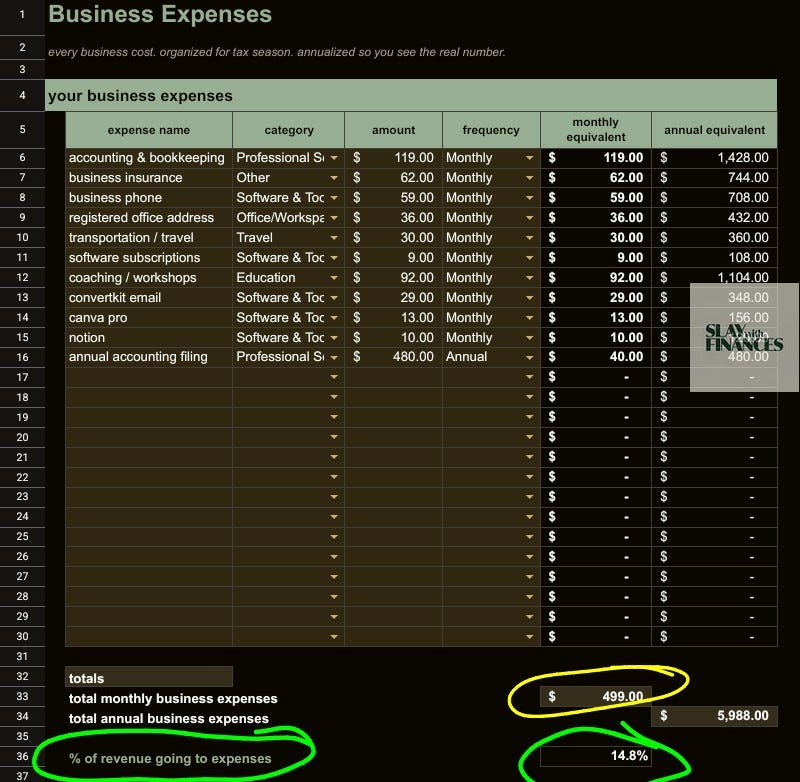
Business operating expenses: everything else. Software subscriptions, tools, education, contractor time not tied to specific offers, office costs. Sub-categorized so I can see which categories are growing.
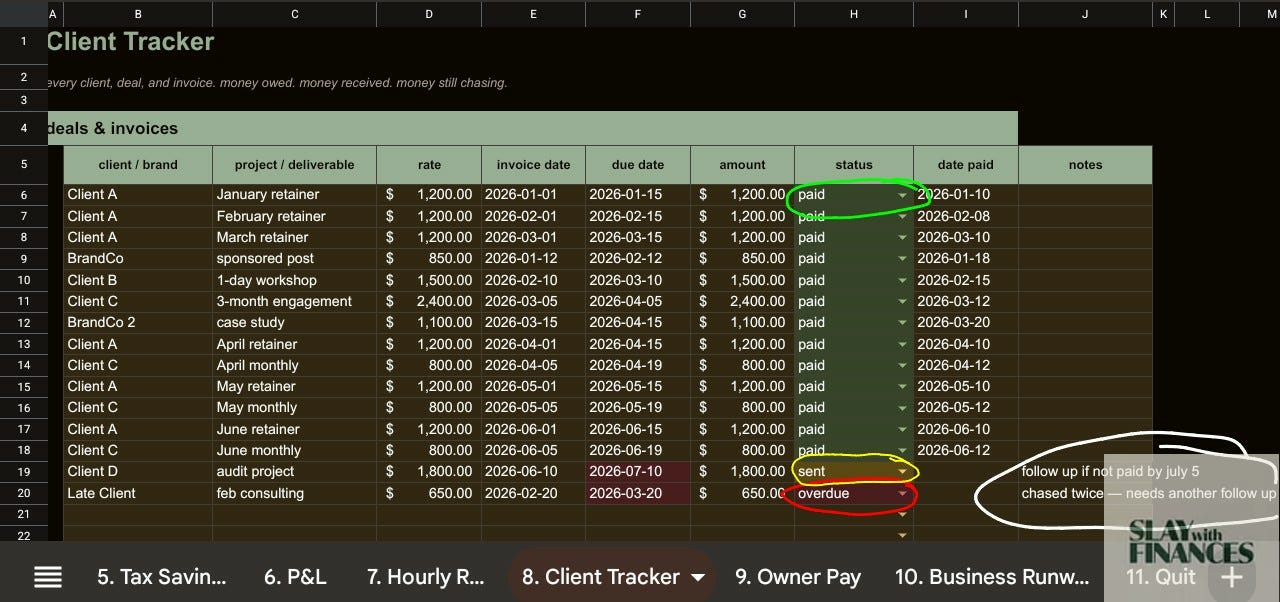
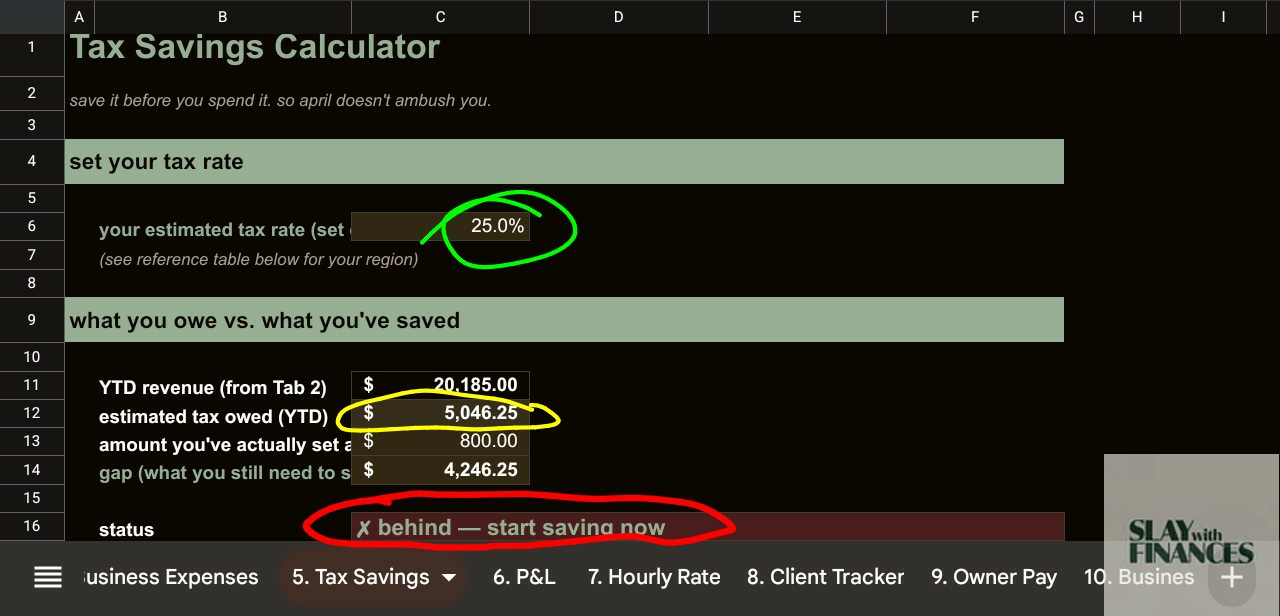
Tax owed: a running estimate of what I owe in quarterly taxes based on this month's income. Set aside in the tax holdback account immediately, not left in the operating account where I might accidentally spend it.
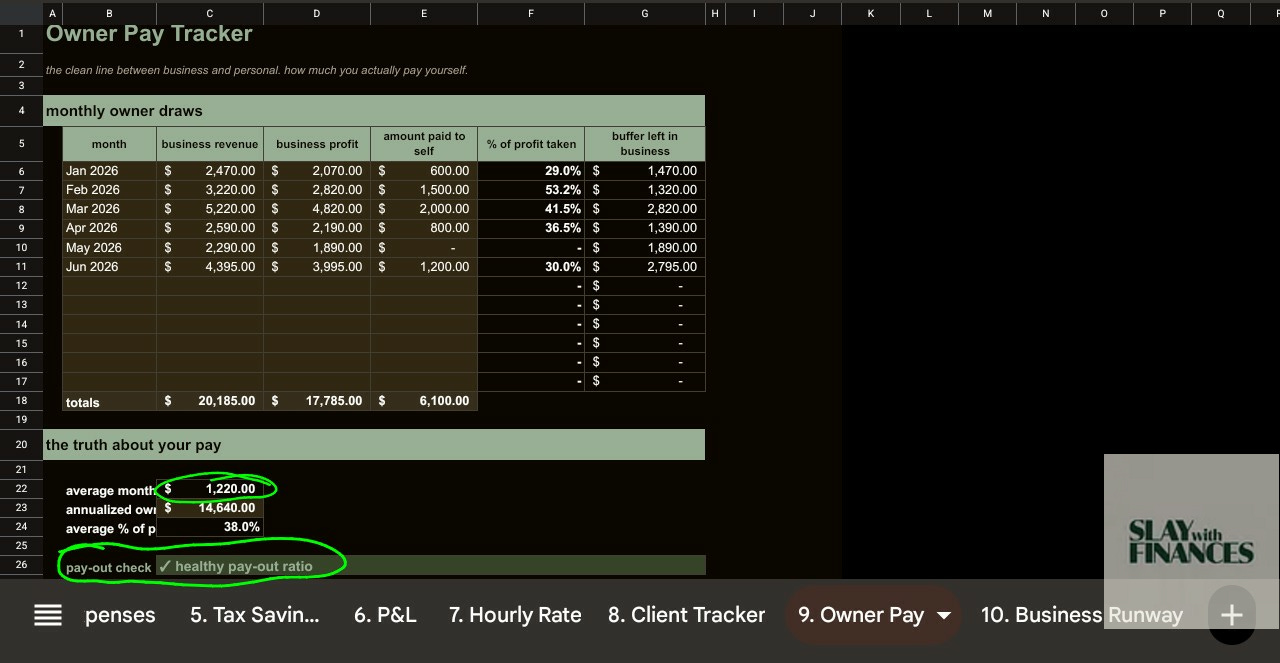
Founder pay: what I paid myself this month. Same amount as every other month, regardless of whether the business had a good month or a slow one. If the month was above average, the extra goes into the buffer account. If the month was below average, the buffer covers the difference.
The business review takes about 30 minutes once the sheet is set up. It runs on the same principle as the personal one, the depth is in the categorization, and once you've done the categorization once, monthly updates are fast.
The questions I ask myself every month
Once the numbers are in the sheet, the review isn't about the numbers themselves. It's about the questions they produce.
Which category grew the most this month, and was that on purpose? If lifestyle creep is showing up, this catches it in month one instead of month twelve.
Which offer produced the most profit, and which produced the most work? Because those are often not the same offer. The offer that produces the most profit deserves more of my attention. The offer that produces the most work for the least profit deserves either a price increase or a quiet retirement.
Am I paying myself enough, and did the buffer hold? If the founder paycheck felt tight this month, either it needs to go up or the personal spending needs to come down. Both are legitimate answers. What's not legitimate is ignoring the tension.
What am I over-investing in, relative to what it's producing? Every solopreneur has at least one line item, a coaching program, a software tool, a paid community, a course that costs money every month and produces almost nothing measurable. Naming it out loud is the only way it gets cut.
What's one specific decision this review is forcing me to make? Sometimes it's a small decision (cancel that subscription). Sometimes it's a big one (raise prices on the offer that's underpriced). But every monthly review should produce at least one concrete decision, or the review wasn't real.
The numbers are just what makes the decisions visible.
If you want to build this yourself, you now have the whole method. Two spreadsheets in Google Sheets. Personal on one tab, business on another. Categories, formulas, monthly review structure. It'll take you a few hours, most likely days to build the first version, another few hours to refine it over the first three months as you notice what you're actually tracking.
If you want to skip the build and use the version I already built and refined over years of running it on myself, the bundle is here. Both audits Personal And Business, designed to work together, set up so you're plugging in numbers instead of building formulas.
The bundle is $97 for both. It's the two audits I use, together, at a lower combined price than either alone. If you want just one side (personal only or business only), those are available separately. But most soloprenuers need both, and the bundle exists because running them together is what actually catches the leaks that live at the intersection.
Either way build your own or use mine, the practice is the practice.
The system is what compounds. The tool is just what lets it run.
Here's the reason about why this letter exists.
Most of the letters I write here are about the psychology, the strategy, the mindset, the identity of building a one-person business. Those matter. But underneath all of them is a specific operational layer ‘the monthly financial review’ that decides whether any of the mindset work actually produces anything real.
You cannot mindset your way out of a business that doesn't know its own numbers. You cannot manifest a compounding financial future while your monthly cash flow is invisible to you. The math has to work, in a place you can see, on a schedule you actually keep.
That's what this system does.
Build your own. Or use mine. But run the review. Every month. Same day. Watch what starts to change.
The Personal + Business Audit Bundle is here.
— Jessica xx
The line about personal spending being the constraint really landed for me. It's easy to obsess over business metrics while cash quietly leaks out the personal side and undoes the whole thing. I've never tracked profit per offer, just total revenue, so this is making me suspect I'm still selling something that stopped pulling its weight months ago.
Just bought the system (biz and personal) and am excited to put it to use. I usually DIY most things, but think this will give me the rigor and clarity I need as I build into Year 2 of my biz. Thank you! Can't wait to nerd out on the numbers (and never thought I would say that!)