5 Brands That Nailed Their Niche (And How to Steal Their Playbook)
These 5 brands niched down and became impossible to ignore.

The difference wasn't luck. It was understanding the gap between "serving everyone poorly" and "niching so far you run out of customers."
I studied 47 brands that tried to own a niche. 42 failed. These 5 succeeded because they broke the rules everyone tells you to follow.
Here's what they did that you can steal.
Brand 1: Liquid Death (Water, but make it metal)
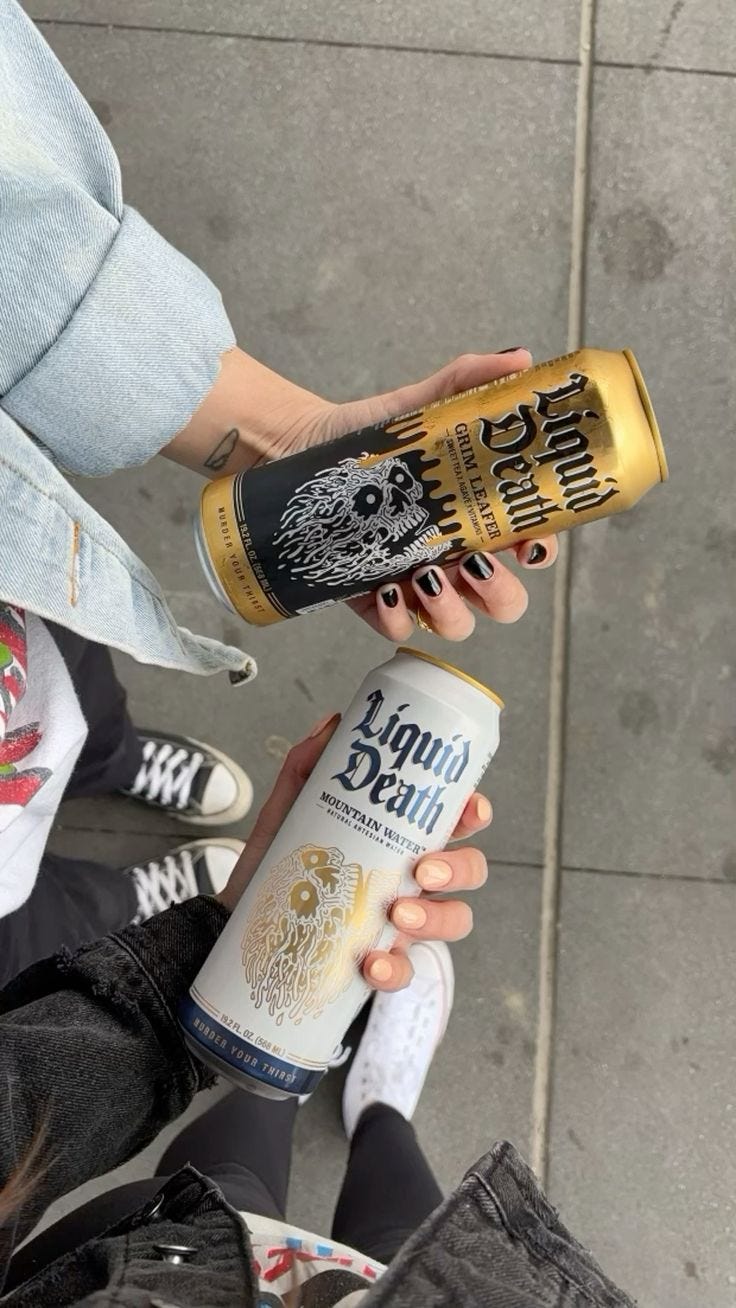
What they did: Sold canned water to people who don't want to look like they're drinking water.
The market math: Instead of competing in the $280 billion bottled water industry, they went after the $147 billion energy drink market. Same product category. Different psychological positioning.
Their percentage play: They didn't niche down to "eco-conscious millennials." They zoomed out to "anyone at a bar, concert, or party who doesn't want alcohol but doesn't want to look boring." That's 68 million people in the US alone.
The taste element: Every water brand talks about purity and hydration. Liquid Death said "Murder Your Thirst" and put their product in a tallboy can that looks like an energy drink. They made not drinking look cooler than drinking.
The strategy: Their Instagram doesn't educate you about hydration. It entertains you with death metal aesthetics and absurd humor. Then it tells you exactly where to buy.
What you steal: Don't niche by demographics. Niche by the emotional job your audience is hiring you to do. Liquid Death isn't for "health-conscious people." It's for "people who want to make a statement while staying sober."
How to apply this to your niche:
•Business coach → Instead of "I help entrepreneurs scale," try "I help founders who are tired of hustling harder without getting ahead." (Emotional job: permission to work smarter)
• Content strategist → Instead of "I create content strategies for B2B SaaS," try "I help technical founders who hate marketing but need clients." (Emotional job: making the uncomfortable tolerable)
• Brand designer → Instead of "Logo design for small businesses," try "Visual identity for service providers who've outgrown looking DIY." (Emotional job: legitimacy and confidence)
Brand 2: Away (Luggage for people who hate luggage shopping)

What they did: Made buying luggage feel like joining a travel community, not purchasing a suitcase.
The market math: The luggage industry is $32.8 billion. But Away didn't target "travelers." They targeted "millennials who travel 3-7 times per year and find traditional luggage brands boring and overpriced." That's 23 million people.
Their percentage play: Most luggage brands niche by trip type (business travel, family vacation, adventure). Away niched by self-identity: "You're the kind of person who travels thoughtfully."
The taste element: Every luggage brand before Away talked about durability and features. Away talked about where you're going and who you're becoming. Their content strategy was 80% travel inspiration, 20% product.
The strategy: They launched with a single product (one carry-on size) in 5 colors. Not 47 SKUs. This forced a clear decision and made their supply chain simple. Then they sold directly to consumers, cutting out the retail markup that made other brands expensive.
What you steal: Define your niche by aspiration, not by problem. Away didn't say "we solve your luggage problems." They said "we're for people who see travel as self-discovery."
How to apply this to your niche:
• Productivity consultant → Instead of "I help you manage your time better," try "I work with creatives who refuse to sacrifice their art for admin work." (Aspiration: protecting creative energy)
• Financial advisor → Instead of "I help you plan for retirement," try "I help high earners who want wealth that funds experiences, not just accounts." (Aspiration: living richly now, not just later)
• Career coach → Instead of "I help you find a better job," try "I help corporate professionals who want work that actually means something to them." (Aspiration: purpose over paycheck)
Brand 3: Notion (Productivity tools for people who think Notion is a personality trait)
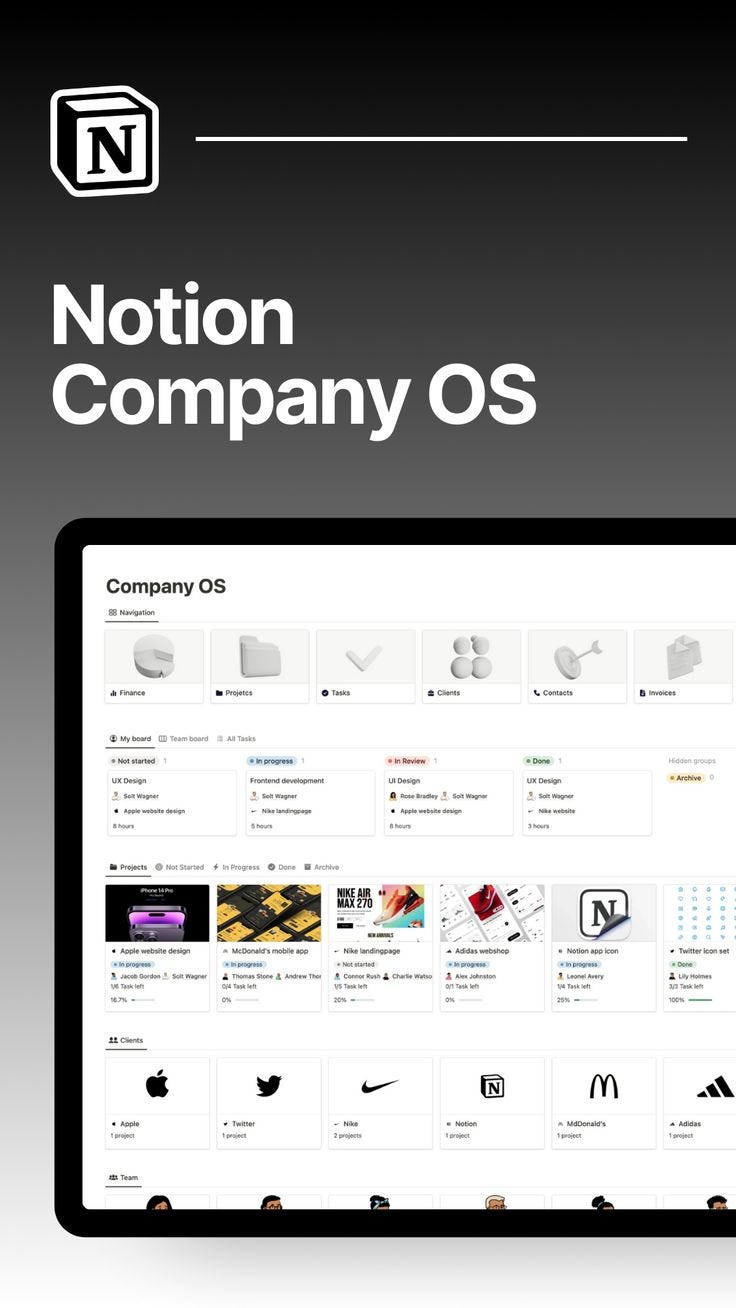
What they did: Built a product so flexible it became a status symbol in the productivity community.
The market math: The productivity software market is $58 billion. Notion didn't go after "businesses that need project management." They went after "individuals who are obsessed with optimizing their systems." That's a smaller number—around 12 million globally—but infinitely more passionate.
Their percentage play: Instead of competing with Microsoft and Google on features, they competed on identity. Using Notion became a signal that you care about how you work, not just what you work on.
The taste element: Most productivity tools sell efficiency. Notion sold aesthetics. They understood that people share screenshots of their Notion dashboards the same way they share photos of their desk setup. It's self-expression.
The strategy: They went community-first. Templates shared by users. YouTube tutorials by fans. A Reddit community solving each other's problems. Notion barely had a marketing team for the first 3 years. They just made it easy for passionate users to teach other people.
What you steal: Don't sell the product. Sell the identity of being someone who uses the product. Make your customers feel smart for choosing you.
How to apply this to your niche:
• Email marketing consultant → Instead of selling "better open rates," sell "being the kind of marketer who builds relationships, not just campaigns." Make using your frameworks a badge of sophistication.
• Nutrition coach → Instead of selling "weight loss plans," sell "being someone who eats intuitively and doesn't obsess over food." Make your approach the anti-diet that smart people choose.
• Sales trainer → Instead of selling "close more deals," sell "being a salesperson who never feels sleazy." Make your methodology the ethical choice that top performers use.
Brand 4: Glossier (Beauty for people who don't want to look like they're trying)
What they did: Made "no-makeup makeup" an aesthetic and then built a cult around it.
The market math: The beauty industry is $511 billion. Glossier ignored all of it and went after "women aged 18-35 who want to enhance, not transform." That's 41 million people in the US who were underserved by both drugstore brands (too cheap-looking) and luxury brands (too intense).
Their percentage play: They didn't niche by age or skin type. They niched by philosophy: beauty should look effortless, not painted on.
The taste element: Every beauty brand sold transformation. "Cover your flaws." "Hide your imperfections." Glossier said "You're already beautiful. We're just here to highlight it." They made their customers the heroes, not the products.
The strategy: They launched with 4 products. That's it. Phase 1 Moisturizer, Balm Dotcom, Boy Brow, and Perfecting Skin Tint. No foundation. No eyeshadow palettes. Just the essentials for the look they were selling. And they let their customers do the marketing through Instagram.
What you steal: Narrow your product line ruthlessly. Don't try to serve every need. Serve one specific aesthetic or outcome perfectly.
How to apply this to your niche:
• Web designer → Instead of offering "full website packages with 10 pages, SEO, copywriting, and maintenance," offer only "one-page sites for coaches who need to look credible fast." Master one format, charge premium, deliver quickly.
• Business consultant → Instead of "strategy, operations, marketing, and sales consulting," offer only "90-day revenue sprints for service businesses stuck at $10K/month." One outcome, one timeline, one type of client.
• Writing coach → Instead of "fiction, nonfiction, newsletters, and ghostwriting coaching," offer only "Substack launch intensives for experts who've been meaning to start for 2 years." One platform, one outcome, one transformation.
Brand 5: Oatly (Oat milk for people who make oat milk their personality)
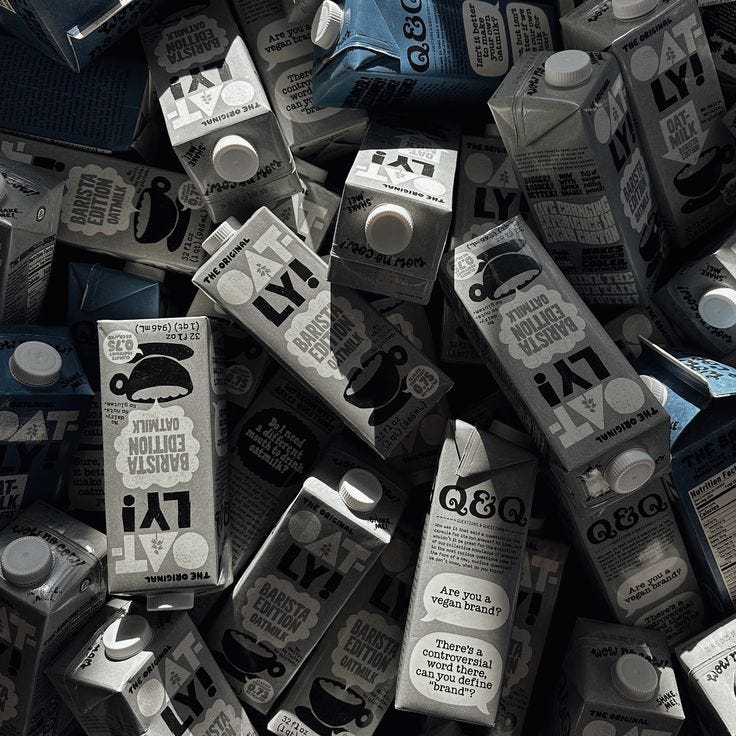
What they did: Sold plant-based milk to people who wanted to feel morally superior about their latte.
The market math: The plant-based milk market is $21 billion. But Oatly didn't target vegans or the lactose intolerant. They targeted "coffee drinkers who care about sustainability but refuse to compromise on taste." That's 67 million people.
Their percentage play: They didn't position as a health product. They positioned as a cultural statement. Drinking Oatly meant you were the kind of person who gave a damn about the planet but also understood good coffee.
The taste element: Every plant milk brand talked about health benefits and ingredients. Oatly's packaging was covered in weird, self-aware copy like "Wow, no cow!" and "It's like milk but made for humans." They were funny, irreverent, and impossible to ignore on a shelf.
The strategy: They went after baristas first, not consumers. If specialty coffee shops used Oatly, customers would start requesting it. Then they'd buy it for home. Distribution strategy: top-down through taste-makers, not bottom-up through grocery stores.
What you steal: Win the influencers in your space first (whether that's actual influencers or just respected voices). Let them do the selling for you.
How to apply this to your niche:
• LinkedIn ghostwriter → Instead of pitching random founders on cold DMs, write free breakdowns of what top LinkedIn creators are doing right. Tag them. When they share it, their audience sees your expertise. Then offer your service to people who comment.
• Presentation designer → Instead of marketing broadly, create free slide deck templates for popular course creators and SaaS founders. When they use your templates and credit you, their audiences come looking. Then convert them to custom work.
• SEO consultant → Instead of generic content, audit the SEO of well-known brands in your niche (with specific insights, not criticism). Share it publicly. When industry insiders notice and engage, you become the go-to expert their followers trust.
Want the Framework Behind These Brands?
These 5 brands didn't succeed by accident. They succeeded because they understood the three-lever system that separates brands that convert from brands that just exist: Percentage, Taste, and Strategy.
If you're building a personal brand and wondering why it's not landing clients, Brand Like a CEO walks you through this exact framework. It's the same system I used to go from 3 subscribers and zero client inquiries to a brand that books $3,200+ clients through content alone.
Not theory. A playbook.
The Pattern All 5 Brands Share
1. They niched by identity, not demographics
None of these brands said "we're for women aged 25-34." They said "we're for people who see themselves a certain way."
2. They made strong taste decisions
They didn't try to appeal to everyone. They had a clear point of view that some people loved and others ignored. That's the goal.
3. They understood percentage
They zoomed out just enough to have a real market, but stayed focused enough to own a specific positioning in people's minds.
4. They had crystal-clear strategy
Each one knew exactly how they were going to win: Liquid Death through absurd branding, Away through content, Notion through community, Glossier through minimalism, Oatly through baristas.
Your brand isn't failing because you're not niched enough. It's failing because you're niching on the wrong variable.
Stop niching by demographics (age, gender, job title). Start niching by identity (how they see themselves, what they value, who they want to become).
Stop trying to serve everyone in your category. Start serving one specific belief or aesthetic or philosophy so well that people feel seen.
And stop making taste decisions designed to offend no one. Make decisions that the right people will love, even if it means the wrong people will scroll past.
The brands that win don't play it safe. They plant a flag and say "this is who we're for."
The question isn't whether you should niche. It's whether you're niching on something that actually matters to your audience.
Pick one of these 5 brands. Study how they talk. Study what they don't say. Then ask yourself: what's my version of this?
Not a copy. A translation.
Because the playbook works. You just have to know which play to run.
If you want the step-by-step process for applying this to your own brand—the exact Percentage, Taste, and Strategy framework these companies used—Brand Like a CEO breaks it down into a system you can implement this week. It's designed for founders and creators who are done guessing and ready to position like the brands people remember.
Question: What's the biggest obstacle keeping you from applying one of these strategies to your own brand? Share below—I read every comment and will help where I can.
📌 PS - If you found this useful, restack it for the founders and creators in your network who are struggling to stand out.
Every share helps me keep writing frameworks that actually work, not just theory that sounds good. 🙏
Discussion about this post