


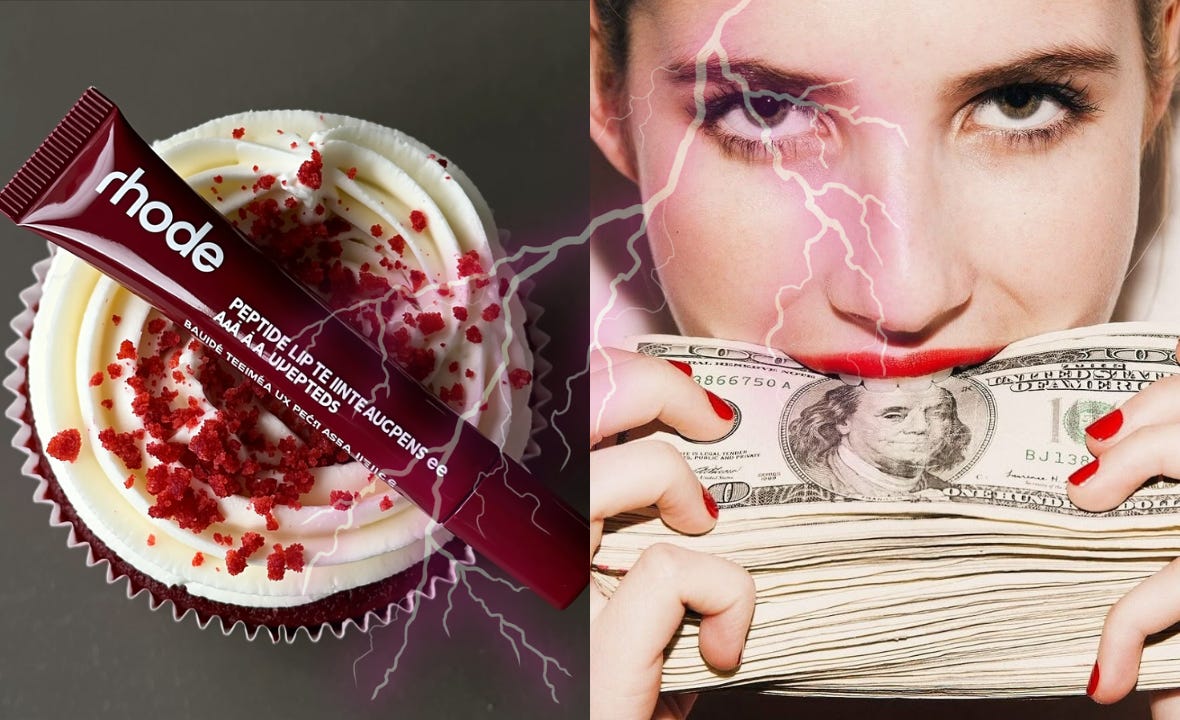
Ever notice how some brands can charge $500 for a t-shirt and people gladly pay… while others sell a nearly identical shirt for $50 and struggle to move units?
It’s not the fabric. It’s not the cut. It’s taste.
And here’s the thing: taste is a revenue skill. You can learn it, refine it, and use it to build a brand that commands attention—and dollars.
Why People Buy Feelings Before Products
Most creators get stuck obsessing over features: stitching, fabric quality, packaging, technical specs, even “how smart” the product is. And yes, those things matter—they’re the foundation. But here’s the catch: they rarely trigger a purchase on their own.
Humans aren’t just buying products. They’re buying how they’ll feel when they use it, what it signals about them to the world, and the identity it helps them step into. That’s the invisible magic behind brands that sell out, even when the product itself isn’t groundbreaking.
Think about it:

Chanel’s Little Black Dress: It isn’t just a dress. It signals timeless elegance, refinement, and exclusivity. People aren’t paying for the thread count—they’re paying to feel seen as sophisticated, stylish, and part of a legacy of taste. When someone wears it, they step into a narrative, a story that the brand has crafted for decades.
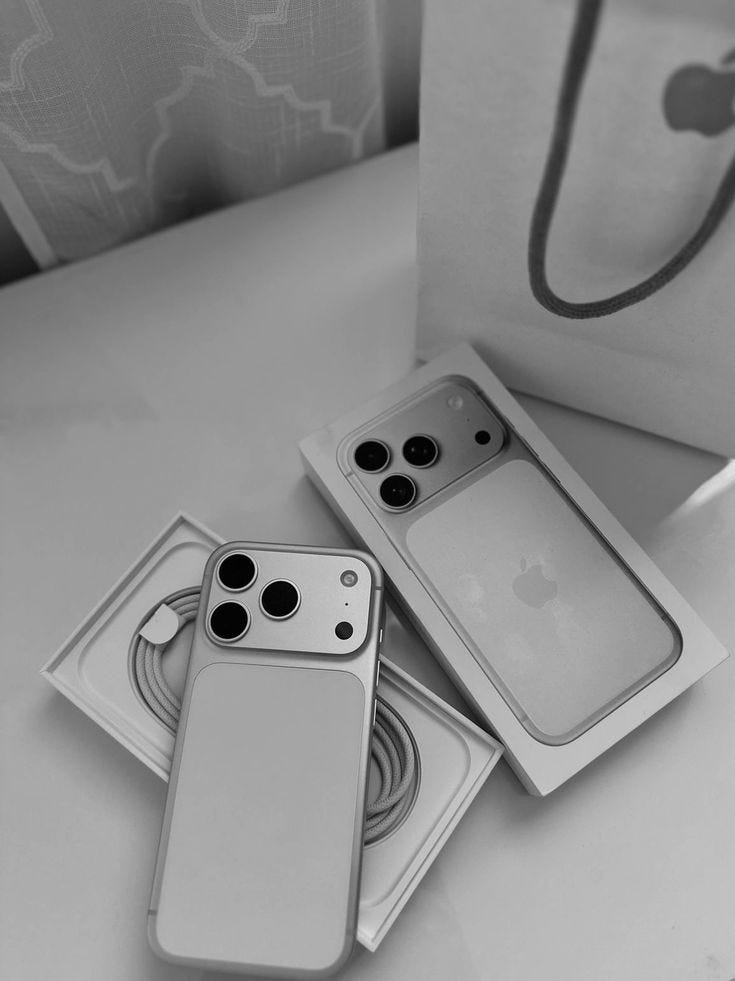
Apple’s iPhone: The camera is great, yes—but that alone doesn’t make people line up overnight for a new release. The sleek design, minimalist packaging, intuitive experience, and prestige make it aspirational. Buying Apple isn’t just acquiring a device; it’s joining a community of trendsetters, problem-solvers, and people who value design and innovation.
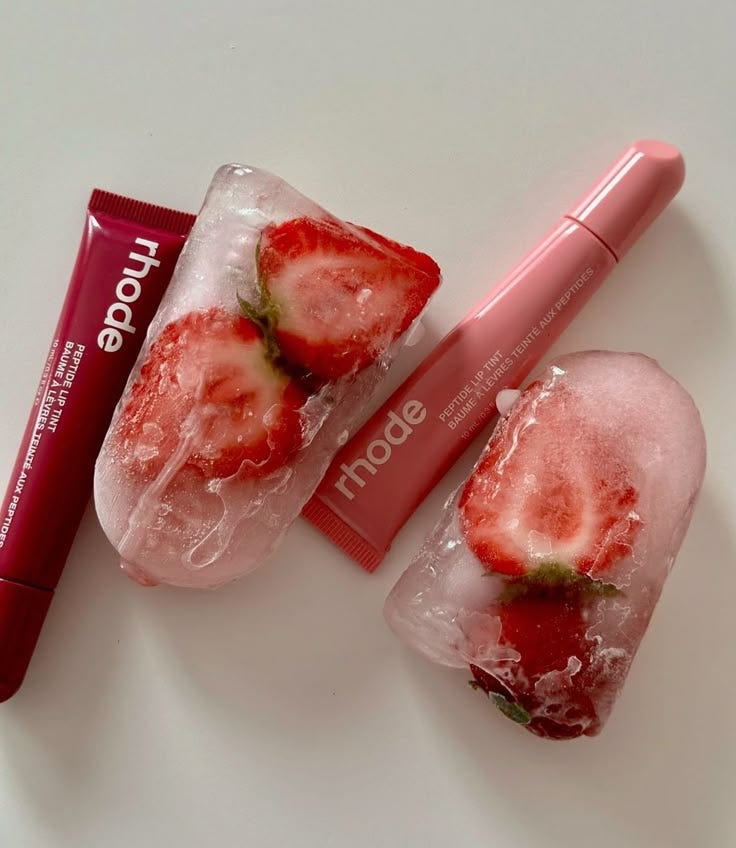
RHODE or Glossier: Emerging brands use taste to do the same thing on a smaller scale. RHODE sells modern luxury basics at a premium because of soft-luxury photography, effortless voice, and consistent visuals. Glossier sells skincare by creating a relatable yet aspirational lifestyle, one that communicates who you can be as a customer, not just what the product does.
Here’s the pattern: the product is the anchor, the taste is the magnet. The anchor is what you deliver; the magnet is what pulls the audience in. People don’t just buy what you make—they buy how interacting with your brand makes them feel.
They buy aspiration: the version of themselves they see when they use your product.
They buy confidence: the reassurance that they made a smart choice and are part of something curated.
They buy identity: a signal to themselves and others about who they are or who they want to be.
Even in the smallest details, taste influences perception. Think about product photography, packaging design, captions, social media grid curation, or even email copy. Every touch-point communicates: “This is worth your attention. This is worth your investment.”
This is why brands can charge a premium without ever justifying it with specs or features. Features get people interested; taste makes them loyal, excited, and willing to pay more.
Signals Matter More Than You Think
Taste operates as a system of signals. Long before an audience evaluates functionality, pricing, or utility, it interprets cues that communicate value, credibility, and positioning. These signals are processed subconsciously and almost instantaneously, shaping perception before conscious reasoning occurs.
Taste manifests everywhere.
It is present in the way content is edited, in the pacing of visuals, in the restraint or excess of design choices. It appears in typography, spacing, lighting, and color harmony. It is reflected in how a product is described, how benefits are framed, and how confidently a brand occupies its space without over-explaining itself.
Consumers rarely articulate these observations explicitly, yet they respond to them consistently.
A cluttered or inconsistent Instagram feed signals a lack of intentionality, often translating to assumptions of low quality or inexperience. In contrast, a cohesive visual identity, even when attached to a new or untested product, signals professionalism, care, and perceived value. The product itself may be identical in function, but the signal determines how it is received.
This is not a matter of aesthetics for aesthetics’ sake. It is a matter of perception management.
Consider RHODE. As an emerging brand, it entered a saturated market without revolutionary products or radically differentiated formulas. What distinguished it was not technical superiority, but the precision of its signaling. Soft-luxury visuals, restrained color palettes, consistent editorial styling, and an effortless brand voice combined to create an impression of refinement and confidence. The result was a brand able to command premium pricing for foundational products while maintaining mass appeal.
The success of such brands illustrates a critical business reality: audiences often use taste as a proxy for trust. When signals are coherent and intentional, consumers infer competence, reliability, and legitimacy. When signals are fragmented or misaligned, skepticism increases, regardless of product quality.
Importantly, signals are cumulative. No single design choice determines perception in isolation. Rather, value is communicated through repetition and consistency across touch-point s. A brand’s social presence, website, packaging, language, and customer experience must reinforce the same narrative. Any deviation weakens the signal.
In modern markets, where attention is limited and competition is abundant, signaling functions as a filtering mechanism. Consumers use it to decide what deserves further consideration and what can be dismissed without evaluation. In this context, taste is not decorative. It is strategic.
Those who understand this do not rely solely on persuasion or explanation. They allow their presentation to speak first. The message arrives before the pitch, and often, before the audience realizes a decision has been made.
Presentation Influences Price
This is where psychology and business intersect most clearly.
Pricing is rarely determined by production cost alone. In practice, it is shaped by perception, signaling, and the emotional justification a consumer makes at the moment of purchase. Brands that understand this do not rely solely on functional superiority. They construct an environment in which higher prices feel reasonable, even expected.
At its core, presentation reframes value.
Consider a well-made t-shirt. From a functional standpoint, it may not differ significantly from alternatives on the market. The material is durable, the stitching is clean, and the fit is competent. On its own, these features support adequacy, not premium pricing.
Now introduce taste signals.
Limited drops create scarcity and urgency. Curated photography elevates the product from commodity to object of desire. A minimalist tone removes noise and implies confidence. Together, these elements reposition the same t-shirt as intentional, considered, and exclusive. The product has not changed, but the story surrounding it has. As a result, perceived value increases, and price resistance decreases.
This phenomenon is not accidental. Consumers often use presentation as a shortcut for evaluating worth. When a brand appears selective, cohesive, and restrained, it signals that standards exist behind the scenes. Higher pricing becomes psychologically consistent with that signal.
Importantly, this strategy is not reserved for established companies.
Small and emerging brands frequently assume premium positioning is inaccessible without scale, celebrity endorsement, or extensive capital. In reality, perception can be engineered early. By controlling how a product is seen, framed, and introduced, brands can establish value before market validation occurs.
Glossier offers a clear illustration of this principle. While the efficacy of its skincare products plays a role in customer retention, initial attraction is driven by presentation. Minimalist packaging, a cohesive visual language, and an aspirational yet approachable lifestyle narrative invite consumers into a community, not merely a transaction. The purchase is justified emotionally before it is rationalized functionally.
“This sequence matters”
People do not buy products first and then assign meaning. They buy meaning and use the product to confirm the decision. Presentation sets that meaning in advance.
For businesses, the implication is direct. Price is not only defended by features. It is defended by taste. Brands that neglect presentation often find themselves competing on cost. Those that invest in signaling compete on perception, where margins are higher and loyalty is stronger.
In this sense, presentation does not simply support pricing strategy. It defines it.
Taste Compounds Into Business Outcomes
When you master taste:
You attract the right audience—the ones willing to invest.
You don’t have to over-explain or oversell.
You can command higher pricing without resistance.
It’s not about fake ness. It’s about curating every detail with intention—visuals, messaging, offers, even timing.
3 Quick Takeaways
Clarity beats complexity – Simple, thoughtful design communicates value faster than long explanations.
Consistency signals trust – Repetition in style, tone, and positioning compounds perception.
Confidence sells more than features – Taste shows you know what you’re doing, even before the customer buys.
Taste isn’t just for fashion. It’s about perception, positioning, and authority.
The moment you realize you can monetize your taste—not just your product—you start building brands that people don’t just like… they want.