
When the future started looking familiar!
No paywalls here. Subscribe for free to receive new writing, fresh perspectives, and first access as this space grows.
Subscribe!

I keep coming back to a quiet kind of regret. Not the dramatic kind, but the kind that settles in the background, steady and familiar, like noise you only notice when the room finally goes silent.
That guilt usually shows up when I think about timing. About moments when something was clearly starting, clearly early, and I still hesitated. Not because I didn’t see the opportunity, but because I didn’t trust it yet. Or worse, I didn’t trust myself.
People love the idea of being early, but they hate the feeling of it. Being early feels awkward. It feels unserious. It feels like you’re putting effort into something that hasn’t earned the right to matter yet. There’s no applause for early. No proof. Just a quiet choice to participate before the rules are written.
That’s why 2016 keeps coming back to me.
In 2016, the internet felt loose. Instagram wasn’t a business plan. It was a habit. People posted because they wanted to, not because they had a funnel. Growth happened without intention, and because of that, it compounded quietly. You could learn in public without being punished for not knowing what you were doing.
The people who benefited most weren’t chasing virality. They were present. They built comfort before pressure arrived. They gained instincts while everyone else was waiting for permission.
Fast forward to now, and the pattern is repeating.
New platforms feel half-formed. Features are clunky. Audiences don’t fully know how to behave yet. There’s no universal playbook. Instead of seeing that as an advantage, most people see it as a reason to wait. They tell themselves they’ll start when it’s clearer, when it’s safer, when it’s more respectable.
That logic sounds responsible. It’s also the fastest way to miss the window.
By the time something feels obvious, it’s usually crowded. Expectations are higher. Mistakes are more expensive. The same actions that once looked curious now look late.
This is where the examples matter.
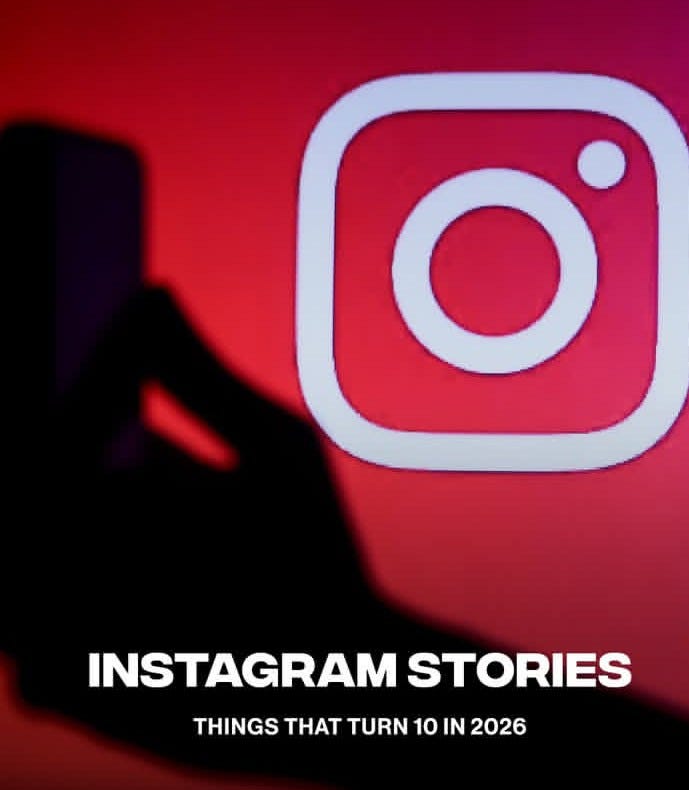
Instagram Stories turned 10 in 2026. When Stories first launched, people complained. They said it copied Snapchat. They said it was pointless. They said no one would watch random clips of someone’s day. Early Stories were messy, unpolished, and deeply unstrategic. People posted coffee, ceilings, bad lighting, half thoughts.
Now, Stories are infrastructure. Brands are built there. Relationships are maintained there. Entire income streams depend on a feature that once felt unnecessary. What looked disposable became essential, not because it was perfect, but because people used it before it was refined.
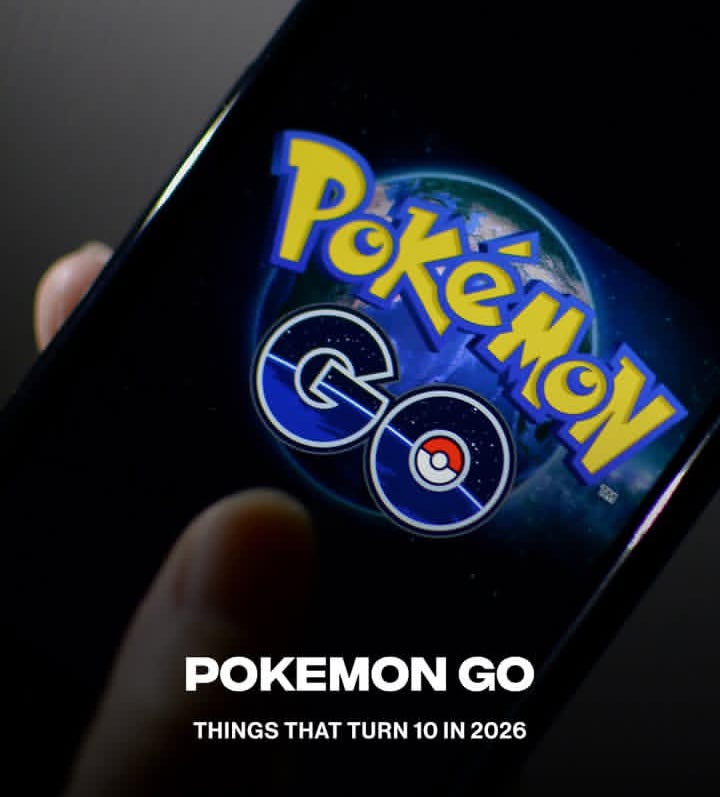
Pokémon Go also turned 10 in 2026. When it launched, it felt like a joke. Grown adults chasing imaginary creatures outside. News clips mocked it. People treated it like a temporary cultural glitch. But Pokémon Go wasn’t about the game. It was about behavior. It quietly trained millions of people to accept augmented reality, location-based tech, and digital layers over the physical world.
What felt silly was actually a rehearsal.
Both of these things share something important: early participation looked unserious. In hindsight, it looks obvious.
That’s how timing works. You never feel smart while it’s happening. You only feel late afterward.
And now we’re watching the same cycle unfold again, this time with AI.
Right now, AI feels noisy. Overhyped. Slightly embarrassing in places. People are either using it clumsily or dismissing it entirely. There’s a lot of copying, a lot of fear, a lot of surface-level takes. It doesn’t feel elegant yet. It doesn’t feel finished.
Which is exactly why it matters.
The people experimenting with AI now aren’t doing it because everything is clear. They’re doing it to build intuition. To understand limits. To develop taste. They’re learning how to think alongside it before the expectations harden and the standards rise.
When AI finally feels normal, the advantage won’t go to the people who waited. It will go to the ones who tolerated the awkward phase. The ones who were willing to look a little early, a little wrong, a little unsure.
That’s why I keep asking myself this question, and maybe you should too.
If 2016 was the training ground for the platforms that shaped 2026…